June 16, 2021
Statement·Presser·Minutes·Policy
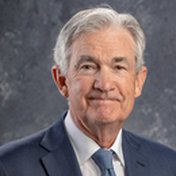 Jerome H. Powell
June 16, 2021 FOMC Press Conference
- The chair described the labor market as on a path to a very strong labor market with low unemployment, high participation, and rising wages, projecting the unemployment rate to decline to 3.5 percent by the end of 2023.
- The chair cited specific factors weighing on employment growth, including caregiving needs, ongoing fears of the virus, and unemployment insurance payments, expecting these to wane in coming months.
- The chair noted that the technical adjustment to the IOER and overnight RRP rates by 5 basis points was made to keep the federal funds rate well within the target range and support smooth money market functioning, with no bearing on the policy path.
- The chair said the FOMC’s discussion on asset purchases was a "talking about talking about" meeting, and that it would be appropriate to consider announcing a plan for reducing purchases at a future meeting, depending on the pace of progress, not a calendar.
- The chair stated that longer-term inflation expectations have moved into a range broadly consistent with the 2 percent goal, while shorter-term measures can move around based on factors like gasoline prices, and the Fed tends to focus on longer-term expectations.
From the opening statement
Press conference
CHAIR POWELL. Good afternoon. At the Federal Reserve, we are strongly committed to achieving the monetary policy goals that Congress has given us: maximum employment and price stability.
Today the Federal Open Market Committee kept interest rates near zero and maintained our asset purchases. These measures, along with our strong guidance on interest rates and on our balance sheet, will ensure that monetary policy will continue to deliver powerful support to the economy until the recovery is complete.
Widespread vaccinations, along wit h unprecedented fiscal policy actions, are also providing strong support to the recovery. Indicators of economic activity and employment have continued to strengthen, and real GDP this year appears to be on track to post its fastest rate of increase in de cades. Much of this rapid growth reflects the continued bounceback in activity from depressed levels. The sectors most adversely affected by the pandemic remain weak but have shown improvement. Household spending is rising at a rapid pace, boosted by the ongoing reopening of the economy, fiscal support, and accommodative financial conditions. The housing sector is strong, and business investment is increasing at a solid pace. In some industries, near- term supply constraints are restraining activity. Forecasts from FOMC participants for economic growth this year have been revised up since our March Summary of Economic Projections. Even so, the recovery is incomplete , and risks to the economic outlook remain.