April 28, 2021
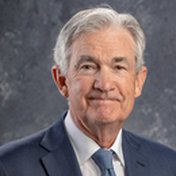 Jerome H. Powell
April 28, 2021 FOMC Press Conference
- The chair said it is not yet time to start talking about tapering asset purchases, and the Fed will let the public know well in advance of any actual decision to taper.
- The chair noted that a transitory rise in inflation above 2 percent this year would not meet the standard for raising interest rates.
- The chair said that for the Fed to achieve its economic goals for tapering or raising rates, it would likely also need to have made substantial progress in controlling the virus, but there is no separate test for the state of the virus.
- The chair said that so far, the economy has not experienced the level of long-term scarring in the labor market or among small businesses that was feared a year ago, but payroll jobs remain 8.4 million below pre-pandemic levels.
- The chair said the housing market is the strongest since the Global Financial Crisis, with low inventories and strong demand, but he does not see financial stability concerns like bad loans or unsustainable prices.
From the opening statement
Press conference
CHAIR POWELL. Good afternoon. At the Federal Reserve, we are strongly committed to achieving the monetary policy goals that Congress has given us: maximum employment and price stability.
Today my colleagues on the FOMC and I kept interest rates near zero and maintained our sizable asset purchases. These measures, along with our strong guidance on interest rates and on our balance sheet, will ensure that monetary policy will continue to deliver powerful support to the economy until the recovery is complete.
Widespread vaccinations, along with unprecedented fiscal policy actions, are also providing strong support to the recovery. Since the beginning of the year, indicators of economic activity and employment have strengthened. Household spending on goods has risen robustly. The housing sector has more than fully recovered from the downturn, while business investment and manufacturing production have also increased. Spending on services has also picked up, including at restaurants and bars. More generally, the sectors of the economy most adversely affected by the pandemic remain weak but have shown improvement. While the recovery has progressed more quickly than generally expected, it remains uneven and far from complete.