January 27–28 · Published February 18, 2026
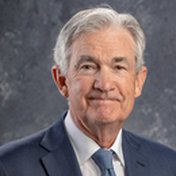 Jerome H. Powell
January 27–28, 2026 FOMC Minutes
Our reading
The minutes read consistent with the statement because they reflect the same assessment of economic conditions—solid economic expansion, low job gains, stabilization in the unemployment rate, and somewhat elevated inflation—and they confirm the FOMC's decision to maintain the federal funds rate target range at 3-1/2 to 3-3/4 percent, as stated in the statement.
Our reading compares the minutes of the January 27–28 FOMC meeting with the FOMC statement issued at the end of that meeting, three weeks before the minutes were published.
Vote
- Michael S. Barr
- Michelle W. Bowman
- Lisa D. Cook
- Beth M. Hammack
- Philip N. Jefferson
- Neel Kashkari
- Lorie K. Logan
- Stephen I. Miran ↓ dissented
- Preferred to lower the target range for the federal funds rate by 1/4 percentage point at this meeting.
- Anna Paulson
- Jerome H. Powell
- Christopher J. Waller ↓ dissented
- Preferred to lower the target range for the federal funds rate by 1/4 percentage point at this meeting.
- John C. Williams
From the minutes
FOMC minutes
Voting against this action: Stephen I. Miran and Christopher J. Waller.
Stephen I. Miran and Christopher J. Waller preferred to lower the target range for the federal funds rate by 1/4 percentage point at this meeting.
Consistent with the Committee's decision to leave the target range for the federal funds rate unchanged, the Board of Governors of the Federal Reserve System voted unanimously to maintain the interest rate paid on reserve balances at 3.65 percent, effective January 29, 2026. The Board of Governors of the Federal Reserve System voted unanimously to approve the establishment of the primary credit rate at the existing level of 3.75 percent.
It was agreed that the next meeting of the Committee would be held on Tuesday–Wednesday, March 17–18, 2026. The meeting adjourned at 10:15 a.m. on January 28, 2026.
What changed from the previous meeting’s minutes
- The FOMC voted to maintain the federal funds rate at 3-1/2 to 3-3/4 percent, instead of lowering it by 1/4 point.
- Two members voted against the decision, preferring a 1/4 point cut, down from three dissents in December.
- The statement removed the phrase that downside risks to employment had risen in recent months.
- Participants shifted from viewing labor market risks as tilted to the downside to seeing signs of stabilization and diminished downside risks.
- The minutes added a discussion of financial stability, covering AI sector valuations, private credit, and hedge fund leverage.
- The statement removed the reference to inflation relative to readings from earlier last year.
Summary generated automatically from the two documents.