October 29, 2025
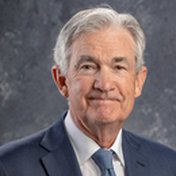 Jerome H. Powell
October 29, 2025 FOMC Press Conference
- The chair said GDP rose at a 1.6 percent pace in the first half of the year, down from 2.4 percent last year, with data prior to the shutdown suggesting a firmer growth trajectory than expected, mainly due to stronger consumer spending.
- The chair said a good part of the slowdown in job gains likely reflects a decline in labor force growth from lower immigration and participation, though labor demand has clearly softened.
- The chair said estimates based on the CPI suggest total and core PCE prices both rose 2.8 percent over the 12 months ending in September, with goods inflation picking up while services disinflation continues.
- The chair said higher tariffs are pushing up prices in some goods categories, with a reasonable base case that effects will be a one-time shift in the price level, but persistent effects are a risk to be managed.
- The chair said the FOMC’s balance sheet runoff has reduced securities holdings by $2.2 trillion over three and a half years, with the balance sheet falling from 35 percent to about 21 percent of nominal GDP.
From the opening statement
Press conference
CHAIR POWELL. Good afternoon. My colleagues and I remain squarely focused on achieving our dual-mandate goals of maximum employment and stable prices for the benefit of the American people. Although some important federal government data have been delayed due to the shutdown, the public- and private-sector data that have remained available suggest that the outlook for employment and inflation has not changed much since our meeting in September. Conditions in the labor market appear to be gradually cooling, and inflation remains somewhat elevated.
In support of our goals, and in light of the balance of risks to employment and inflation, today the Federal Open Market Committee decided to lower our policy interest rate by ¼ percentage point. We also decided to conclude the reduction of our aggregate securities holdings as of December 1. I will have more to say about monetary policy after briefly reviewing economic developments.
Available indicators suggest that economic activity has been expanding at a moderate pace. GDP rose at a 1.6 percent pace in the first half of the year, down from 2.4 percent last year. Data available prior to the shutdown show that growth in economic activity may be on a somewhat firmer trajectory than expected, primarily reflecting stronger consumer spending. Business investment in equipment and intangibles has continued to expand, while activity in the housing sector remains weak. The shutdown of the federal government will weigh on economic activity while it persists, but these effects should reverse after the shutdown ends.