November 3, 2021
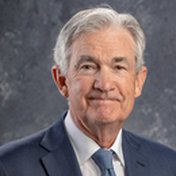 Jerome H. Powell
November 3, 2021 FOMC Press Conference
- The chair said the economy expanded at a 6.5 percent pace in the first half of the year, with third-quarter growth slowing notably due to the Delta variant and supply constraints.
- The chair said job gains averaged 280,000 per month in August and September, down from about 1 million per month in June and July, with the slowdown concentrated in pandemic-sensitive sectors.
- The chair said the unemployment rate of 4.8 percent in September understates the employment shortfall, partly because labor force participation for prime-aged individuals remains well below pre-pandemic levels.
- The chair said the decision to taper asset purchases does not imply any direct signal regarding interest rate policy, and the test for raising rates is more stringent than for tapering.
- The chair said inflation should decline from elevated levels by the second or third quarter of next year, as supply bottlenecks abate, but the timing is highly uncertain.
From the opening statement
Press conference
CHAIR POWELL. Good afternoon. At the Federal Reserve, we are strongly committed to achieving the monetary policy goals that Congress has given us: maximum employment and price stability.
Today, the FOMC kept interest rates near zero and, in light of the progress the economy has made toward our goals, decided to begin reducing the pace of asset purchases. With these actions, monetary policy will continue to provide strong support to the economic recovery. Given the unprecedented nature of the disruptions related to the pandemic and the reopening of the economy, we remain attentive to risks and will ensure that our policy is well positioned to address the full range of plausible economic outcomes. I will say more about our monetary policy decisions after reviewing recent economic developments.
Economic activity expanded at a 6.5 percent pace in the first half of the year, reflecting progress on vaccinations, the reopening of the economy, and strong policy support. In the third quarter, real GDP growth slowed notably from this rapid pace. The summer’s surge in COVID cases from the Delta variant has held back the recovery in the sectors most adversely affected by the pandemic, including travel and leisure. Activity has also been restrained by supply constraints and bottlenecks, notably in the motor vehicle industry. As a result, both household spending and business investment flattened out last quarter. Nonetheless, aggregate demand has been very strong this year, buoyed by fiscal and monetary policy support and the healthy financial positions of households and businesses. With COVID case counts receding further and progress on vaccinations, economic growth should pick up this quarter, resulting in strong growth for the year as a whole.