September 22, 2021
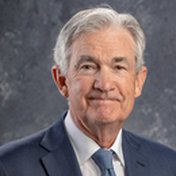 Jerome H. Powell
September 22, 2021 FOMC Press Conference
- The chair said the "substantial further progress" test for inflation has been met, while the employment test is "all but met" in his view, with the FOMC possibly deciding on tapering as soon as the next meeting.
- He stated that a gradual tapering process concluding around the middle of next year is likely appropriate, with broad support on the FOMC, despite some members preferring an earlier start.
- He noted that half of FOMC participants forecast the economic conditions for liftoff will be fulfilled by the end of next year, with the median projection for the federal funds rate slightly above the effective lower bound in 2022.
- He acknowledged that the recent trading activities of Federal Reserve officials were "clearly not adequate" to sustain public trust, and he directed a comprehensive review of ethics rules, including restrictions on holdings and trading windows.
- He said that the inflation projections for 2023 and 2024 were marked up by only a couple of tenths, and he downplayed the significance of a few tenths of an overshoot, emphasizing the goal of inflation averaging 2 percent over time.
From the opening statement
Press conference
CHAIR POWELL. Good afternoon. At the Federal Reserve, we are strongly committed to achieving the monetary policy goals that Congress has given us: maximum employment and price stability.
Today, the Federal Open Market Committee kept interest rates near zero and maintained our current pace of asset purchases. These measures, along with our strong guidance on interest rates and on our balance sheet, will ensure that monetary policy will continue to support the economy until the recovery is complete.
Progress on vaccinations and unprecedented fiscal policy actions are also providing strong support to the recovery. Indicators of economic activity and employment have continued to strengthen. Real GDP rose at a robust 6.4 percent pace in the first half of the year, and growth is widely expected to continue at a strong pace in the second half. The sectors most adversely affected by the pandemic have improved in recent months, but the rise in COVID-19 cases has slowed their recovery. Household spending rose at an especially rapid pace over the first half of the year but flattened out in July and August as spending softened in COVID-sensitive sectors, such as travel and restaurants.