May 6–7 · Published May 28, 2025
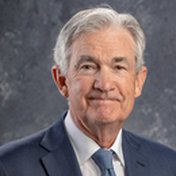 Jerome H. Powell
May 6–7, 2025 FOMC Minutes
Our reading
The minutes are consistent with the statement because they reflect the same key assessments and decisions: both note that economic activity is expanding at a solid pace despite net export swings, the unemployment rate is stable at a low level, labor market conditions are solid, inflation is somewhat elevated, uncertainty about the outlook has increased, and the risks of higher unemployment and higher inflation have risen, leading to the unanimous decision to maintain the federal funds rate target range at 4-1/4 to 4-1/2 percent.
Our reading compares the minutes of the May 6–7 FOMC meeting with the FOMC statement issued at the end of that meeting, three weeks before the minutes were published.
Vote
- Michael S. Barr
- Michelle W. Bowman
- Susan M. Collins
- Lisa D. Cook
- Austan D. Goolsbee
- Philip N. Jefferson
- Neel Kashkari
- Adriana D. Kugler
- Alberto G. Musalem
- Jerome H. Powell
- Christopher J. Waller
- John C. Williams
From the minutes
FOMC minutes
Voting against this action: None.
Neel Kashkari voted as an alternate member at this meeting.
Consistent with the Committee's decision to leave the target range for the federal funds rate unchanged, the Board of Governors of the Federal Reserve System voted unanimously to maintain the interest rate paid on reserve balances at 4.4 percent, effective May 8, 2025. The Board of Governors of the Federal Reserve System voted unanimously to approve the establishment of the primary credit rate at the existing level of 4.5 percent.
It was agreed that the next meeting of the Committee would be held on Tuesday–Wednesday, June 17–18, 2025. The meeting adjourned at 10:00 a.m. on May 7, 2025.
What changed from the previous meeting’s minutes
- Participants in March saw downside risks to employment and upside risks to inflation; by May they judged both risks had risen.
- May minutes reported tariffs were "significantly larger and broader than anticipated" compared to March's "larger and broader than expected" phrasing.
- May added that some participants saw longer-term inflation expectations could drift upward, a risk not mentioned in March.
- March had one dissent (Waller) on balance sheet runoff; May's vote was unanimous with no dissents.
- May introduced discussion of financial stability concerns, including hedge fund leverage and private credit, absent from March minutes.
- May noted swings in net exports complicated GDP data interpretation; March did not mention this measurement issue.
Summary generated automatically from the two documents.