June 12, 2024
Statement·Presser·Minutes·Policy
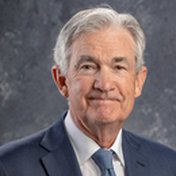 Jerome H. Powell
June 12, 2024 FOMC Press Conference
- The chair said inflation has eased from a peak of 7 percent to 2.7 percent, a figure not in the statement.
- The chair noted that private domestic final purchases grew at 2.8 percent in the first quarter, nearly as strong as the second half of 2023.
- The chair said the median SEP projection for the federal funds rate is 5.1 percent at the end of this year, 4.1 percent at the end of 2025, and 3.1 percent at the end of 2026.
- The chair said that the median SEP projection for total PCE inflation is 2.6 percent this year, 2.3 percent next year, and 2.0 percent in 2026.
- The chair said that the labor market has returned to about where it stood on the eve of the pandemic—relatively tight but not overheated.
From the opening statement
Press conference
CHAIR POWELL. Good afternoon. My colleagues and I remain squarely focused on achieving our dual-mandate goals of maximum employment and stable prices for the benefit of the American people. Our economy has made considerable progress toward both goals over the past two years. The labor market has come into better balance, with continued strong job gains and a low unemployment rate. Inflation has eased substantially from a peak of 7 percent to 2.7 percent but is still too high. We are strongly committed to returning inflation to our 2 percent goal in support of a strong economy that benefits everyone.
Today, the FOMC decided to leave our policy interest rate unchanged and to continue to reduce our securities holdings. We are maintaining our restrictive stance of monetary policy in order to keep demand in line with supply and reduce inflationary pressures. I’ll have more to say about monetary policy after briefly reviewing economic developments.
Recent indicators suggest that economic activity has continued to expand at a solid pace. Although GDP growth moderated from 3.4 percent in the fourth quarter of last year to 1.3 percent in the first quarter, private domestic final purchases—which excludes inventory investment, government spending, and net exports and usually sends a clearer signal on underlying demand—grew at 2.8 percent in the first quarter, nearly as strong as the second half of 2023. Growth of consumer spending has slowed from last year’s robust pace but remains solid. And investment in equipment and intangibles has picked up from its anemic pace last year. Improving supply conditions have supported resilient demand and the strong performance of the U.S. economy over the past year. In our Summary of Economic Projections, Committee participants generally expect GDP growth to slow from last year’s pace, with a median projection of 2.1 percent this year and 2.0 percent over the next two years.