February 1, 2023
Statement·Presser·Minutes·Policy
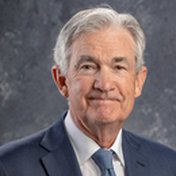 Jerome H. Powell
February 1, 2023 FOMC Press Conference
- The chair said the U.S. economy slowed significantly last year, with real GDP rising at a below-trend pace of 1 percent.
- The chair noted that the labor market remains extremely tight, with the unemployment rate at a 50-year low and job vacancies still very high.
- The chair stated that the disinflationary process has started, but it is at an early stage and not yet visible in core services excluding housing, which represents 56 percent of the core inflation index.
- The chair said that the median projection from the December meeting was for the federal funds rate to reach between 5 and 5¼ percent, but that this would be updated at the March meeting.
- The chair acknowledged that financial conditions have tightened significantly over the past year, but emphasized that the focus is on sustained changes rather than short-term moves.
From the opening statement
Press conference
CHAIR POWELL. Good afternoon, and welcome. My colleagues and I understand the hardship that high inflation is causing, and we are strongly committed to bringing inflation back down to our 2 percent goal. Over the past year, we have taken forceful actions to tighten the stance of monetary policy. We have covered a lot of ground, and the full effects of our rapid tightening so far are yet to be felt. Even so, we have more work to do. Price stability is the responsibility of the Federal Reserve and serves as the bedrock of our economy. Without price stability, the economy does not work for anyone. In particular, without price stability, we will not achieve a sustained period of labor market conditions that benefit all.
Today, the FOMC raised our policy interest rate by 25 basis points. We continue to anticipate that ongoing increases will be appropriate in order to attain a stance of monetary policy that is sufficiently restrictive to return inflation to 2 percent over time. In addition, we are continuing the process of significantly reducing the size of our balance sheet. Restoring price stability will likely require maintaining a restrictive stance for some time. I will have more to say about today’s monetary policy actions after briefly reviewing economic developments.
The U.S. economy slowed significantly last year, with real GDP rising at a below-trend pace of 1 percent. Recent indicators point to modest growth of spending and production this quarter. Consumer spending appears to be expanding at a subdued pace, in part reflecting tighter financial conditions over the past year. Activity in the housing sector continues to weaken, largely reflecting higher mortgage rates. Higher interest rates and slower output growth also appear to be weighing on business fixed investment.