September 21, 2022
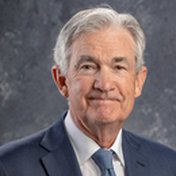 Jerome H. Powell
September 21, 2022 FOMC Press Conference
- The median projection for real GDP growth was 0.2 percent this year and 1.2 percent next year, well below the longer-run normal rate.
- The median projection for the unemployment rate rises to 4.4 percent at the end of next year, a half percentage point higher than the June projection.
- The median projection for total PCE inflation is 5.4 percent this year, falling to 2.8 percent next year, 2.3 percent in 2024, and 2 percent in 2025.
- The median projection for the federal funds rate is 4.4 percent at the end of this yearhol—one percentage point higher than projected in June—rising to 4.6 percent at the end of next year, and declining to 2.9 percent by the end of 2025.
- The chair stated that real rates need to be positive across the entire yield curve, and that the current stance is likely at the very lowest level of what might be restrictive.
From the opening statement
Press conference
CHAIR POWELL. Good afternoon. My colleagues and I are strongly committed to bringing inflation back down to our 2 percent goal. We have both the tools we need and the resolve that it will take to restore price stability on behalf of American families and businesses. Price stability is the responsibility of the Federal Reserve and serves as the bedrock of our economy. Without price stability, the economy does not work for anyone. In particular, without price stability, we will not achieve a sustained period of strong labor market conditions that benefit all.
Today the FOMC raised its policy interest rate by ¾ percentage point, and we anticipate that ongoing increases will be appropriate. We are moving our policy stance purposefully to a level that will be sufficiently restrictive to return inflation to 2 percent. In addition, we are continuing the process of significantly reducing the size of our balance sheet. I will have more to say about today’s monetary policy actions after briefly reviewing economic developments.
The U.S. economy has slowed from the historically high growth rates of 2021, which reflected the reopening of the economy following the pandemic recession. Recent indicators point to modest growth of spending and production. Growth in consumer spending has slowed from last year’s rapid pace, in part reflecting lower real disposable income and tighter financial conditions. Activity in the housing sector has weakened significantly, in large part reflecting higher mortgage rates. Higher interest rates and slower output growth also appear to be weighing on business fixed investment, while weaker economic growth abroad is restraining exports. As shown in our Summary of Economic Projections, since June, FOMC participants have marked down their projections for economic activity, with the median projection for real GDP growth standing at just 0.2 percent this year and 1.2 percent next year, well below the median estimate of the longer-run normal growth rate.