June 15, 2022
Statement·Presser·Minutes·Policy
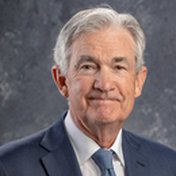 Jerome H. Powell
June 15, 2022 FOMC Press Conference
- The chair said the 75 basis point increase was an "unusually large" move and that he does not expect moves of this size to be common.
- The chair said that either a 50 or 75 basis point increase "seems most likely" at the next meeting, depending on incoming data.
- The chair said the median projection for the federal funds rate is 3.4 percent at the end of this year, 3.8 percent at the end of next year, and 3.4 percent in 2024.
- The chair said the median projection for real GDP growth runs below 2 percent through 2024, and the unemployment rate is projected to rise from 3.7 percent at the end of this year to 4.1 percent in 2024.
- The chair said the decision to hike by 75 basis points was influenced by the May CPI report and some indicators of inflation expectations, including the preliminary University of Michigan survey reading.
From the opening statement
Press conference
CHAIR POWELL. Good afternoon. I will begin with one overarching message: We at the Fed understand the hardship that high inflation is causing. We are strongly committed to bringing inflation back down, and we’re moving expeditiously to do so. We have both the tools we need and the resolve that it will take to restore price stability on behalf of American families and businesses. The economy and the country have been through a lot over the past two and a half years and have proved resilient. It is essential that we bring inflation down if we are to have a sustained period of strong labor market conditions that benefit all.
From the standpoint of our congressional mandate to promote maximum employment and price stability, the current picture is plain to see: The labor market is extremely tight, and inflation is much too high. Against this backdrop, today the Federal Open Market Committee raised its policy interest rate by ¾ percentage point and anticipates that ongoing increases in that rate will be appropriate. In addition, we are continuing the process of significantly reducing the size of our balance sheet. I’ll have more to say about today’s monetary policy actions after briefly reviewing economic developments.
Overall economic activity edged down in the first quarter, as unusually sharp swings in inventories and net exports more than offset continued strong underlying demand. Recent indicators suggest that real GDP growth has picked up this quarter, with consumption spending remaining strong. In contrast, growth in business fixed investment appears to be slowing, and activity in the housing sector looks to be softening, in part reflecting higher mortgage rates. The tightening in financial conditions that we’ve seen in recent months should continue to temper growth and help bring demand into better balance with supply. As shown in our Summary of Economic Projections, FOMC participants have marked down their projections for economic activity, with the median projection for real GDP growth running below 2 percent through 2024.