January 26, 2022
Statement·Presser·Minutes·Policy
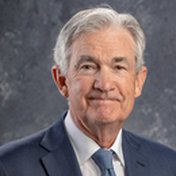 Jerome H. Powell
January 26, 2022 FOMC Press Conference
- The chair said the Omicron variant will "surely weigh on economic growth this quarter," citing high-frequency indicators of reduced spending in travel and restaurants.
- The chair said the labor market is "historically tight," with record job openings and quits, and that there is "quite a bit of room to raise interest rates without threatening the labor market."
- The chair said the FOMC issued a set of principles for reducing the balance sheet, clarifying that the federal funds rate is the primary policy tool and that balance sheet reduction will begin after rate hikes start.
- The chair said the FOMC has not made decisions on the specific timing, pace, or details of shrinking the balance sheet, and will discuss these in upcoming meetings.
- The chair said markets are pricing in rate increases and balance sheet runoff, reflecting that the Fed's communication channel is working and that financial conditions are adjusting in advance.
From the opening statement
Press conference
CHAIR POWELL. Good afternoon. At the Federal Reserve, we are strongly committed to achieving the monetary policy goals that Congress has given us: maximum employment and price stability.
Today, in support of these goals, the Federal Open Market Committee kept its policy interest rate near zero and stated its expectation that an increase in this rate would soon be appropriate. The Committee also agreed to continue reducing its net asset purchases on the schedule we announced in December—bringing them to an end in early March. As I will explain, against a backdrop of elevated inflation and a strong labor market, our policy has been adapting to the evolving economic environment, and it will continue to do so.
Economic activity expanded at a robust pace last year, reflecting progress on vaccinations and the reopening of the economy, fiscal and monetary policy support, and the healthy financial positions of households and businesses. Indeed, the economy has shown great strength and resilience in the face of the ongoing pandemic. The recent sharp rise in COVID cases associated with the Omicron variant will surely weigh on economic growth this quarter. High-frequency indicators point to reduced spending in COVID-sensitive sectors, such as travel and restaurants. And activity more broadly may also be affected as many workers are unable to report for work because of illness, quarantines, or caregiving needs.