November 5, 2020
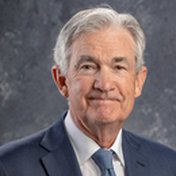 Jerome H. Powell
November 5, 2020 FOMC Press Conference
- The chair said real GDP rose at an annual rate of 33 percent in the third quarter.
- The chair said roughly half of the 22 million jobs lost in March and April have been regained, with the unemployment rate at 7.9 percent as of September.
- The chair said the Fed is increasing its securities holdings at a rate of $120 billion per month—$80 billion in Treasuries and $40 billion in agency mortgage-backed securities.
- The chair said the Fed will release the entire Summary of Economic Projections package at the same time as the FOMC statement starting in December, adding two new graphs on uncertainty and risks.
- The chair said fiscal policy actions taken so far have made a critical difference, but further support is likely needed, and the Fed cannot grant money to particular beneficiaries as lending powers are not spending powers.
From the opening statement
Press conference
CHAIR POWELL. Good afternoon. At the Federal Reserve, we are strongly committed to achieving the monetary policy goals that Congress has given us—maximum employment and price stability. Since the beginning of the pandemic, we have taken forceful actions to provide relief and stability, to ensure that the recovery will be as strong as possible, and to limit lasting damage to the economy. Today my colleagues on the Federal Open Market Committee and I reaffirmed our commitment to support the economy in this challenging time.
Economic activity has continued to recover from its depressed second-quarter level. The reopening of the economy led to a rapid rebound in activity, and real GDP rose at an annual rate of 33 percent in the third quarter. In recent months, however, the pace of improvement has moderated. Household spending on goods, especially durable goods, has been strong and has moved above its pre-pandemic level. In contrast, spending on services remains low, largely due to ongoing weakness in sectors that typically require people to gather closely, including travel and hospitality. The overall rebound in household spending owes, in part, to federal stimulus payments and expanded unemployment benefits, which provided essential support to many families and individuals. The housing sector has fully recovered from the downturn, supported in part by low mortgage interest rates. Business investment has also picked up. Even so, overall economic activity remains well below its level before the pandemic, and the path ahead remains highly uncertain.
In the labor market, roughly half of the 22 million jobs that were lost in March and April have been regained, as many people were able to return to work. As with overall economic activity, the pace of improvement in the labor market has moderated. The unemployment rate declined over the past five months but remained elevated at 7.9 percent as of September. Although we welcome this progress, we will not lose sight of the millions of Americans who remain out of work. The economic downturn has not fallen equally on all Americans, and those least able to shoulder the burden have been hardest hit. In particular, the high level of joblessness has been especially severe for lower - wage workers in the services sector, for women, and for African Americans and Hispanics. The economic dislocation has upended many lives and created great uncertainty about the future.