December 11, 2019
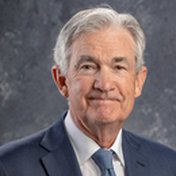 Jerome H. Powell
December 11, 2019 FOMC Press Conference
- Chair Powell opened the press conference by paying tribute to the late former Fed Chair Paul Volcker, praising his character and his role in taming double-digit inflation.
- He noted that the economic expansion is in its 11th year, the longest on record, and that the median FOMC projection for real GDP growth remains near 2 percent over the next few years.
- Powell stated that to raise rates, he would need to see inflation that is persistent and a significant move-up in inflation, adding that this is his personal view rather than a codified Committee policy.
- He explained that the relationship between unemployment and inflation has weakened considerably over the decades, and that the wage Phillips curve has a higher coefficient than the price Phillips curve.
- Powell said the Fed’s Treasury bill purchases and repo operations are technical, aimed at maintaining ample reserves, and that the Fed is prepared to adjust the details of these operations, including potentially buying other short-term coupon securities if needed.
From the opening statement
Press conference
CHAIR POWELL. Good afternoon, everyone. To begin, I’d like to say a few words about Paul Volcker, who, as you know, passed away earlier this week. Paul Volcker served as Federal Reserve Chair from 1979 to 1987. He accomplished many things during his long and distinguished career at the Fed and elsewhere. Of course, he’s best known for leading the fight to tame the double-digit inflation that he inherited as Chair, thus laying the foundation for the prosperity and price stability we enjoy today. But what is perhaps most admirable about him— more than his many accomplishments—was his character. He believed that there is no higher calling than public service, and he dedicated the lion’s share of his life to it. With courage, integrity, and tenacity, he always pursued the policies that he believed would ultimately benefit all Americans. My colleagues and I continue to draw inspiration from his example.
Turning to today’s meeting, my colleagues and I decided to leave our policy rate unchanged after lowering it a total of ¾ percentage point at the previous three meetings. As always, we base our decisions on judgment of how best to achieve the goals Congress has given us: maximum employment and price stability. Our economic outlook remains a favorable one despite global developments and ongoing risks. With our decisions through the course of the past year, we believe that monetary policy is well positioned to serve the American people by supporting continued economic growth, a strong job market, and inflation near our symmetric 2 percent goal.
The economic expansion is in its 11th year, the longest on record. Household spending has been strong, supported by a healthy job market, rising incomes, and solid consumer confidence. In contrast, business investment and exports remain weak, and manufacturing output has declined over the past year. As has been the case for some time, sluggish growth abroad and trade developments have been weighing on those sectors. Even so, the overall economy has been growing moderately. And with a strong household sector and supportive monetary and financial conditions, we expect moderate growth to continue. As seen from FOMC participants’ most recent projections, the median expectation for real GDP growth slows slightly over the next few years but remains near 2 percent.