September 18, 2019
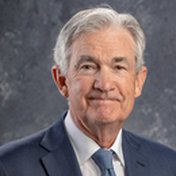 Jerome H. Powell
September 18, 2019 FOMC Press Conference
- The chair said the U.S. economy grew at a 2½ percent pace in the first half of the year.
- The chair said the median projection for real GDP growth remains near 2 percent this year and next before edging down toward its estimated longer-run value.
- The chair said the median projection for the unemployment rate remains below 4 percent over the next several years.
- The chair said the median projection for inflation is 1.9 percent this year and 2 percent in 2021.
- The chair said funding pressures in money markets were elevated this week, with the effective federal funds rate rising above the top of its target range yesterday, and that the Fed conducted overnight repurchase operations to counter these pressures.
From the opening statement
Press conference
CHAIR POWELL. Good afternoon, everyone, and welcome. My colleagues at the Federal Reserve and I are dedicated to serving the American people. We do this by steadfastly pursuing the goals Congress has given us: maximum employment and stable prices. We are committed to making the best decisions we can based on facts and objective analysis. Today we decided to lower interest rates. As I will explain shortly, we took this step to help keep the U.S. economy strong in the face of some notable developments and to provide insurance against ongoing risks.
The U.S. economy has continued to perform well. We are into the 11th year of this economic expansion, and the baseline outlook remains favorable. The economy grew at a 2½ percent pace in the first half of the year. Household spending—supported by a strong job market, rising incomes, and solid consumer confidence—has been the key driver of growth. In contrast, business investment and exports have weakened amid falling manufacturing output. The main reasons appear to be slower growth abroad and trade policy developments—two sources of uncertainty that we’ve been monitoring all year.
Since the middle of last year, the global growth outlook has weakened, notably in Europe and China. Additionally, a number of geopolitical risks, including Brexit, remain unresolved. Trade policy tensions have waxed and waned, and elevated uncertainty is weighing on U.S. investment and exports. Our business contacts around the country have been telling us that uncertainty about trade policy has discouraged them from investing in their businesses. Business fixed investment posted a modest decline in the second quarter, and recent indicators point to continued softness. Even so, with household spending remaining on a solid footing and with supportive financial conditions, we expect the economy to continue to expand at a moderate rate. As seen from FOMC participants’ most recent projections, the median expectation for real GDP growth remains near 2 percent this year and next before edging down toward its estimated longer-run value.