October 29–30 · Published November 20, 2019
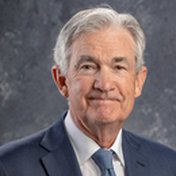 Jerome H. Powell
October 29–30, 2019 FOMC Minutes
Our reading
The minutes read more dovish because they reveal deeper concerns among participants about downside risks, weak inflation expectations, and the possibility of further easing, whereas the statement’s language is more neutral and emphasizes that policy is not on a preset course.
Our reading compares the minutes of the October 29–30 FOMC meeting with the FOMC statement issued at the end of that meeting, three weeks before the minutes were published.
Vote
- Michelle W. Bowman
- Lael Brainard
- James B. Bullard
- Richard H. Clarida
- Charles L. Evans
- Esther L. George ↑ dissented
- President George dissented at this meeting because she believed that an unchanged setting of monetary policy was appropriate based on incoming data and the outlook for economic activity over the medium term. Recognizing risks to the outlook from the effects of trade developments and weaker global activity, President George would be prepared to adjust policy should incoming data point to a materially weaker outlook for the economy.
- Jerome H. Powell
- Randal K. Quarles
- Eric S. Rosengren ↑ dissented
- President Rosengren dissented because he judged that monetary policy was already accommodative and that additional accommodation was not needed for an economy in which labor markets are very tight. He judged that providing additional accommodation posed risks of further inflating the prices of risky assets and encouraging households and firms to take on too much leverage.
- John C. Williams
From the minutes
FOMC minutes
Voting against this action: Esther L. George and Eric Rosengren.
President George dissented at this meeting because she believed that an unchanged setting of monetary policy was appropriate based on incoming data and the outlook for economic activity over the medium term. Recognizing risks to the outlook from the effects of trade developments and weaker global activity, President George would be prepared to adjust policy should incoming data point to a materially weaker outlook for the economy. President Rosengren dissented because he judged that monetary policy was already accommodative and that additional accommodation was not needed for an economy in which labor markets are very tight. He judged that providing additional accommodation posed risks of further inflating the prices of risky assets and encouraging households and firms to take on too much leverage.
Consistent with the Committee's decision to lower the target range for the federal funds rate to 1-1/2 to 1-3/4 percent, the Board of Governors voted unanimously to lower the interest rate paid on required and excess reserve balances to 1.55 percent and voted unanimously to approve a 1/4 percentage point decrease in the primary credit rate to 2.25 percent, effective October 31, 2019.
It was agreed that the next meeting of the Committee would be held on Tuesday–Wednesday, December 10–11, 2019. The meeting adjourned at 9:50 a.m. on October 30, 2019.
What changed from the previous meeting’s minutes
- Target range lowered to 1-1/2 to 1-3/4 percent from 1-3/4 to 2 percent.
- James Bullard voted for the cut, reversing his prior dissent for a 50 basis point cut.
- Esther George and Eric Rosengren dissented, down from three dissenters in September.
- Statement removed "act as appropriate" language, emphasizing monitoring for material reassessment.
- Desk directed to purchase Treasury bills and conduct repo operations through January 2020.
- IOER lowered to 1.55 percent and primary credit rate to 2.25 percent.
Summary generated automatically from the two documents.