July 30–31 · Published August 21, 2019
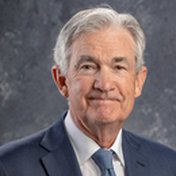 Jerome H. Powell
July 30–31, 2019 FOMC Minutes
Our reading
The minutes read more dovish because they reveal deeper internal concerns about downside risks—such as persistent trade tensions, weak global growth, and inflation running below target—and show that some participants even favored a larger 50 basis point cut, whereas the statement’s language is more balanced and emphasizes the action as a "mid-cycle adjustment" without committing to further easing.
Our reading compares the minutes of the July 30–31 FOMC meeting with the FOMC statement issued at the end of that meeting, three weeks before the minutes were published.
Vote
- Michelle W. Bowman
- Lael Brainard
- James B. Bullard
- Richard H. Clarida
- Charles L. Evans
- Esther L. George ↑ dissented
- President George dissented because she believed that an unchanged setting of policy was appropriate based on the incoming data and the outlook for economic activity over the medium term. Recognizing risks to the outlook from the crosscurrents emanating from trade policy uncertainty and weaker global activity, President George would be prepared to adjust policy should incoming data point to a materially weaker outlook for the economy.
- Jerome H. Powell
- Randal K. Quarles
- Eric S. Rosengren ↑ dissented
- President Rosengren dissented because he did not see a clear and compelling case for additional accommodation at this time given that the unemployment rate stood near 50-year lows, inflation seemed likely to rise toward the Committee's 2 percent target, and financial stability concerns were elevated, as indicated by near-record equity prices and corporate leverage.
- John C. Williams
From the minutes
FOMC minutes
Voting against this action: Esther L. George and Eric Rosengren.
President George dissented because she believed that an unchanged setting of policy was appropriate based on the incoming data and the outlook for economic activity over the medium term. Recognizing risks to the outlook from the crosscurrents emanating from trade policy uncertainty and weaker global activity, President George would be prepared to adjust policy should incoming data point to a materially weaker outlook for the economy.
President Rosengren dissented because he did not see a clear and compelling case for additional accommodation at this time given that the unemployment rate stood near 50-year lows, inflation seemed likely to rise toward the Committee's 2 percent target, and financial stability concerns were elevated, as indicated by near-record equity prices and corporate leverage.
Consistent with the Committee's decision to lower the target range for the federal funds rate to 2 to 2-1/4 percent, the Board of Governors voted unanimously to lower the interest rate paid on required and excess reserve balances to 2.10 percent and voted unanimously to approve a 1/4 percentage point decrease in the primary credit rate to 2.75 percent, effective August 1, 2019.7
What changed from the previous meeting’s minutes
- The FOMC lowered the target range for the federal funds rate by 25 basis points to 2 to 2-1/4 percent.
- The FOMC ended the reduction of its aggregate securities holdings in August, two months earlier than planned.
- Two members dissented in favor of maintaining the target range, compared to one dissenting for a cut in June.
- A couple of participants preferred a 50 basis point cut, while several favored no change.
- The statement changed "market-based measures of inflation compensation have declined" to "remain low."
- The statement added the phrase "as the Committee contemplates the future path" of the target range.
Summary generated automatically from the two documents.